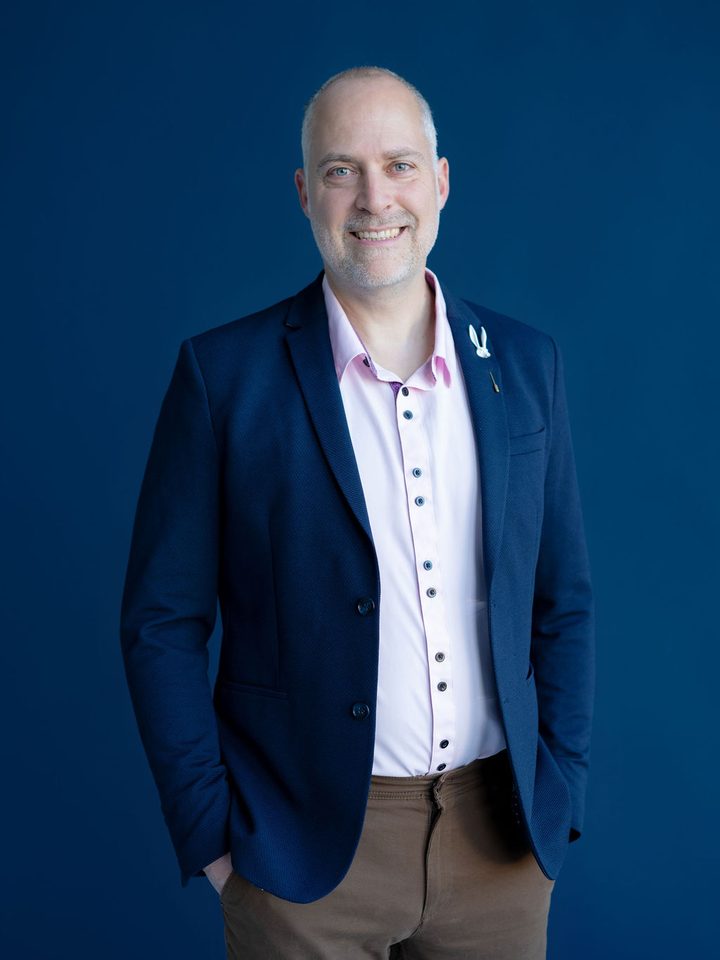
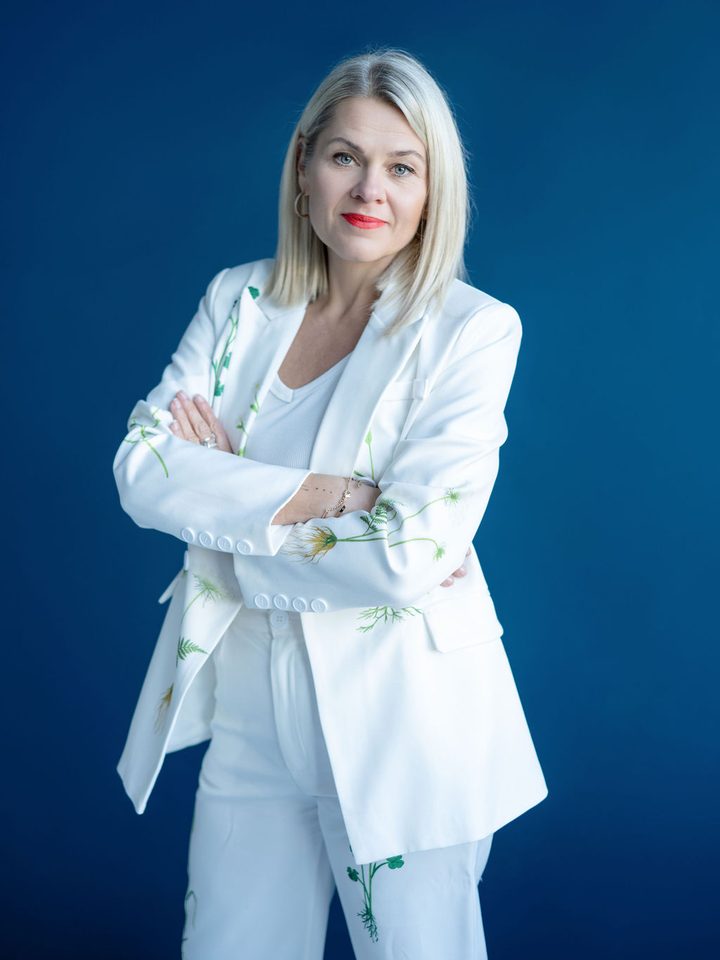
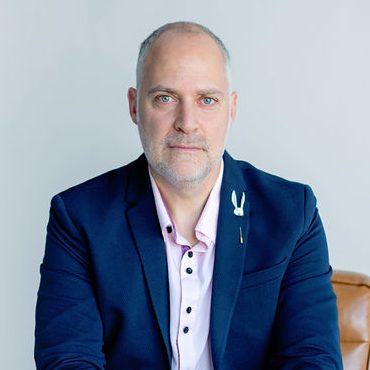
EP Consulting Services OÜ is an Estonian consultancy near Tallinn that combines international market entry with leadership and team development. Patrick Gerber leads the market side, Evelyn Soidla the people side.
What does EP Consulting Services do?
EP Consulting Services OÜ (Saue vald, near Tallinn, Estonia) combines international market entry with leadership and team development in one process. Patrick Gerber leads the market side: export, EU company setup and interim management. Evelyn Soidla, an ICF Professional Certified Coach and supervisor, leads the people side: leadership, teams, coaching and supervision.
How do we know if our company is ready to expand into the EU?
Start with the free 10-minute Growth Balance Test on export4future.com. It gives you two scores: market and sales readiness, and organisational and leadership readiness. Typical signs of readiness are a product that already sells well at home, enquiries from European customers, budget for 6 to 18 months of market building, and a management team that can delegate decisions to people in Europe. If one side is clearly weaker, we tell you what to build first before you spend money on the market.
How can a company from outside the EU set up a business in the EU?
The fastest route is an EU company in Estonia: e-Residency for the management, company registration, a legal address and contact person, EU VAT, a bank account and the compliance roles your product needs, such as a GDPR representative, a GPSR responsible person or a CBAM declarant. Our EU Foundation service coordinates all of this with one contact person, typically within 4 to 8 weeks.
What is an EU soft landing?
An EU soft landing gives a company from outside the EU a working base in Europe without building everything at once. We set up the Estonian company, run it with you as interim or part-time COO, align head office and the European team, and hand over when your own manager is ready. It usually takes 6 to 18 months.
Why choose Estonia as an EU base?
Estonia is a full EU member state with fully digital company registration and e-Residency, so management can run the company remotely. Corporate income tax is only due when profit is distributed, English is widely used in business and government, and an Estonian company has full access to the EU single market.
Do we need to move staff to Europe to run an Estonian company?
Not at the start. With e-Residency your management can sign and manage the Estonian company online from your home country. What European customers expect is someone who answers quickly and can decide locally. Until you hire your own manager in Europe, we take that role as interim or part-time COO, then help you select and onboard your manager and hand over.
Which EU rules apply when we sell products in the EU?
It depends on the product. Consumer products sold in the EU, including online, need an economic operator established in the EU under the General Product Safety Regulation (GPSR), in force since December 2024. Companies outside the EU that process personal data of people in the EU usually need a GDPR representative in the EU. Since 2026, imports of iron, steel, aluminium, cement, fertilisers and hydrogen above the annual threshold require an authorised CBAM declarant. Depending on the product, CE marking, REACH and extended producer responsibility (packaging, electronics, batteries) also apply. We check these in the Growth Diagnostic and set up the roles you need.
How long does it take to set up and start selling in the EU?
The Growth Diagnostic takes 2 to 4 weeks. Setting up the Estonian company with bank, VAT and compliance roles typically takes 4 to 8 weeks, with bank onboarding often the longest step. The Export Sprint takes 60 days from market choice to first customer meetings. A full EU soft landing, from set-up to handover to your own team, usually takes 6 to 18 months.
What do your services cost?
Every programme is priced on request, because the effort depends on your product, markets and team. The Growth Diagnostic has a fixed price and ends with a written plan, budget range and timeline. The 10-minute Growth Balance Test and a 30-minute introductory call are free. Running costs of an Estonian company, such as accounting, legal address and bank fees, are charged by the partners we coordinate, and you see them in the plan before you decide.
How do you help EU companies export to Germany?
With the Export Sprint: 60 days from market choice to first customer meetings, including lead generation, the offer, introductions and support through proof-of-concept phases. Examples: Enemat received 3 requests for quotation and a first batch order of €50,000; Hepta Insights ran 3 proofs of concept with German grid operators.
What is the difference between coaching and supervision?
Coaching helps a person or team reach defined goals. Supervision is a reflective process in which leaders and professionals examine their work, relationships and influence. Evelyn Soidla holds the ICF PCC credential and the ICF Coaching Supervisor Specialization; all work follows the ICF Code of Ethics and is confidential.
Which languages do you work in?
English, Estonian and German. The website is also available in Chinese; calls and projects with Chinese and Hong Kong companies are held in English.